An Update on Longmont’s Water: July 2026

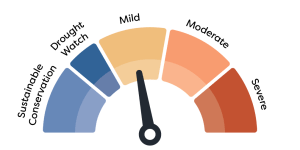
Longmont remains under a Mild Drought Response Level, unchanged since May. The City is reducing water use by 10% on City-owned greenways, parks, golf courses and other City facilities. Residents are encouraged, not required, to do the same.
Snow in Colorado’s mountains peaked weeks earlier than usual this year and melted quickly, ending runoff season early across the state. The St. Vrain basin fared better than much of Colorado; however, the season still ended with less water flowing into storage than in a typical year. That early finish is why Longmont is turning to its reserves now.
Current Action Plan
Level: Mild
Where our water is coming from now
Runoff season has ended this year. From now until next spring, nearly all of the water Longmont uses – both by the City and its customers alike – will come from storage reservoirs, a shift that usually comes later in the season. Button Rock Reservoir, our highest-priority storage, filled completely this year. Once stored water is used, there’s no more until reservoirs refill next season, and next year’s supply depends on this winter’s snowpack.
How usage this year compares with the average
A cooler, wetter start to the summer kept water use down, and through the end of June, water use citywide was running at about 98% of the 10-year average. With the recent heat, demand has climbed closer to 100%. That means that Longmont is using a typical amount of water. July and August are Longmont’s highest water use months, so how we finish the summer matters most.
What the City is doing
- Using new metering technology, City crews have found and fixed more than 40 leaks at parks this year, preventing the waste of an estimated 4 million gallons of water.
- Sprinkler systems at City parks have been adjusted to use 10% less water.
- City departments meet regularly to track water use against the 10% goal and adjust as needed.
What you can do
While there are no mandatory restrictions on residential properties right now, what you do this summer matters. Conserving now is the best way to protect next year’s supply and avoid stricter measures later.
Learn more about how you can conserve water.
Looking ahead
Forecasters say El Niño conditions could bring wetter weather to Colorado this fall and winter – which is welcome news, however, not a guarantee. Summer rain helps lawns and gardens; however, it can’t refill reservoirs. Only next year’s snowpack can do that, and we won’t know how it looks until spring. That’s why conserving stored water now matters.
Should conditions change, we’ll let you know any updates in the response level right away.