Stay Out of Water Not Meant for Play – A Seasonal Reminder about Blue-Green Algae
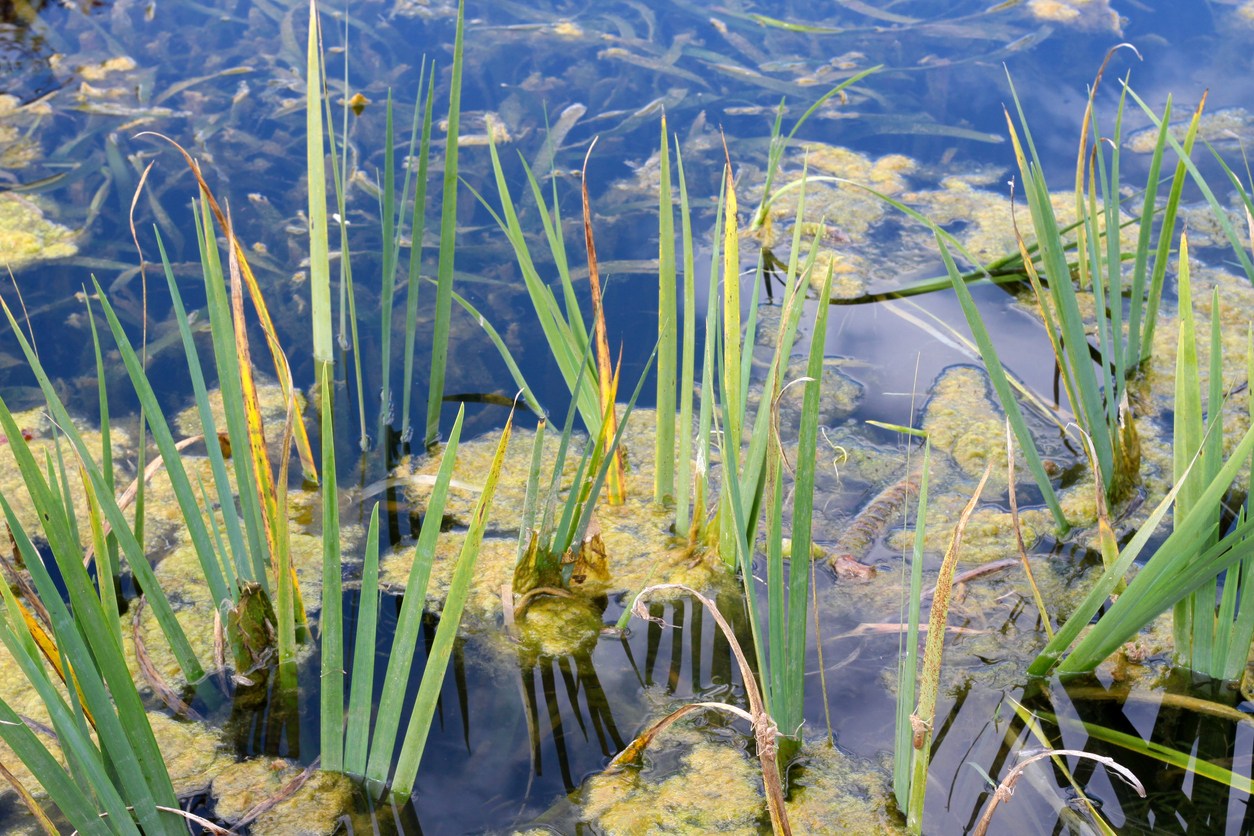
Not every pond, lake, or creek in Longmont is meant for swimming or wading. Blue-green algae, also known as cyanobacteria, can grow naturally in local water during warm weather, and some blooms produce toxins that are dangerous to humans and pets.
Blooms thrive in slow-moving bodies of water, such as lakes and ponds. Some cyanobacteria species can produce cyanotoxins, which can be harmful at elevated levels if ingested by dogs, wildlife and humans, or during wading and other recreational contact with water.
If the water isn’t meant for play, it’s best to stay away. Union Reservoir is Longmont’s only designated swimming and wading area, and the only body of water the City regularly tests for blue-green algae. Blooms can appear and disappear quickly and aren’t always visible, so the safest choice is to avoid contact with any pond, lake, or creek that isn’t designated for recreation.
According to the Colorado Department of Public Health and Environment, harmful algae blooms often:
- Look like thick pea soup or spilled paint on the water’s surface.
- Create a thick mat of foam along the shoreline.
- Appear green or blue-green, although they can be other colors including red or gold.
- Show up as small specks or blobs floating just at or below the water’s surface.
Harmful algae blooms are NOT:
- Long, stringy, bright green grass strands that feel either slimy or cottony.
- Mustard yellow (that’s probably pollen).
Learn more about blue-green algae or call (303) 651-8416.