Understanding Growth in Longmont
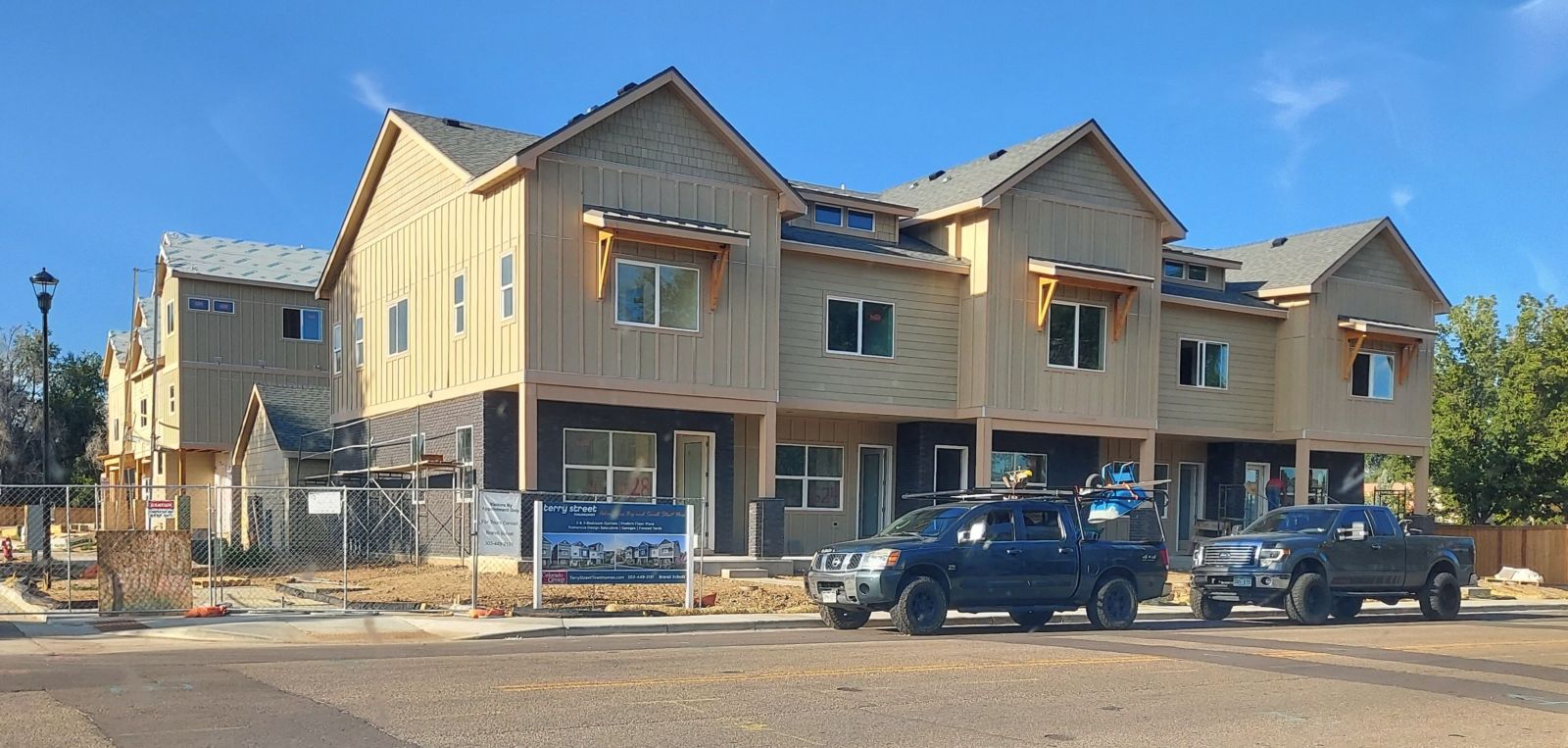
Longmont is a community that values both its character and its people, and thoughtful growth is how we honor both.
The City remains committed to listening to residents, planning proactively, and adapting as needs and circumstances change. The videos and FAQs below address some of what we hear most often from the community. We hope they help increase understanding about how Longmont is planning for a future that works for everyone.
Growth in Longmont Is Planned
When new development happens around Longmont, it’s natural to wonder what it means for our community. Growth in Longmont is guided by a long-range comprehensive plan called Envision Longmont. This plan was developed with input from thousands of residents.
Watch this one-minute video and review the FAQs below to learn more about Envision Longmont and the City’s approach to growth and development.
Why Housing Choice Matters
City staff are often asked, “Does Longmont really need more apartments?” The answer is “yes.” Our population is growing and a strong community needs housing options for people at every stage of life and income level.
Watch this one-minute video and review the FAQs below to learn more about the importance of providing a range of housing choices.
Why Infill Development is Important
Our city has limited land available for new development and is committed to protecting our open space. So instead of expanding outward, we focus on building thoughtfully within areas that already have roads, utilities and services. This development approach is called infill development.
Watch this one-minute video and review the FAQs below to learn more about how infill development helps protect the spaces and neighborhoods that Longmont residents care about most.
When Longmont Changes
If you’re worried about new apartments or higher-density development in Longmont, you’re not alone. Change in a community raises questions about traffic, parking, neighborhood character and what the future will look like for the people who live here.
Watch this one-minute video and review the FAQs below to learn more about how Longmont’s development approach makes sure that seniors, families and young adults can continue to live in the community they love.
Understanding Growth FAQs
Growth and development in Longmont are guided by the City’s long-range comprehensive plan called Envision Longmont. The Envision Longmont plan guides decisions about land use, development, transportation, housing and infrastructure. It helps set policy, zoning and investment priorities designed to improve transportation options, expand housing choices, protect resources and support economic growth.
The plan is critical in helping make sure that housing is available and affordable for residents at different stages of life and income levels, and that existing green space is preserved.
Envision Longmont was developed with significant community input and was unanimously adopted by the City Council in 2016. You can learn more and view the plan at longmontcolorado.gov/envision. You can also track the City’s progress on meeting the plan’s goals at longmontcolorado.gov/indicators.
Longmont anticipates ~24,000 new residents by 2035. The City uses population forecasts, infrastructure planning and development standards to make sure that we can support that growing population with housing, transportation, utilities and services.
Longmont’s ability to grow outward is limited by its defined boundaries and limited available property that is zoned for new development. Our commitment to protecting open space also limits the land that is available for development. To make the best use of the land that is available, increasing density with multi-family housing is critical to accommodate a growing population.
Growth and development in Longmont are guided by the City’s long-range comprehensive plan that guides decisions about land use, development, transportation, housing and infrastructure. It helps set policy, zoning and investment priorities designed to improve transportation options, expand housing choices, protect resources and support economic growth. Learn more and view the plan at longmontcolorado.gov/envision and track the City’s progress on meeting plan goals at longmontcolorado.gov/indicators.
Not exactly. Property owners have the legal right to develop their land if their proposal meets the City’s Land Development Code. This code sets the rules for what can be built, where it can go, land use and design standards like building height and landscaping.
The City does not decide what developers build but ensures that they meet the Land Development Code.
Development Review Committee
All development proposals are reviewed by the Development Review Committee (DRC), a team of staff from multiple departments, including Planning, Public Works, Utilities, Transportation, Housing, Parks and Public Safety. The DRC ensures that proposals meet all City requirements related to utilities, drainage, road and emergency access, inclusionary housing and transportation improvements.
Minor Development Applications
Certain types of less complex projects are reviewed and approved by the DRC. Other application types may require review and approval from the Planning and Zoning Commission or City Council.
Major Development Applications
Larger or more complex proposals are first reviewed by the DRC which provides recommendations to the Planning and Zoning Commission. Depending on the project, the Planning and Zoning Commission may make final application decisions or recommend actions to City Council. The City Council is required to make final decisions on items such as annexations, rezonings and major policy changes.
Community Input
Community members are notified about Minor and Major Development Applications:
- Notices are mailed to nearby property owners and posted on the property
- Information is available online with a City planner assigned to answer questions
For Major Applications:
- A neighborhood meeting is required early in the process
- Additional notices are sent before public hearings
- Residents can submit written comments or speak at public hearings before the Planning and Zoning Commission or City Council
Affordable Housing Requirements
The City’s inclusionary housing regulations require all new residential developments to ensure that 12% of the total units are affordable to low- and moderate-income residents. Developers can meet this requirement in several ways, including building units on-site, paying a fee, building off-site, donating land or negotiating another option.
Longmont offers affordable housing incentives to assist projects, including land development incentives that apply specifically to affordable housing and financial incentives for projects that provide more than the minimum required.
The City needs to provide something for everyone when it comes to housing. Developing more multi-family housing helps meet the needs of a diverse market from younger people just starting out to older adults who need to downsize.
Providing diverse and affordable housing options provides economic and community stability. It helps people who work in Longmont to be able to live here, and people who live here to work close to home. Diverse and affordable housing also encourages people who grew up in Longmont to stay.
People who live and work in Longmont spend their money here. This supports local businesses and contributes local tax dollars that support Longmont services and amenities. Additionally, new businesses are attracted to communities that can provide housing for their workforce.
When our community doesn’t have enough affordable homes, people don’t just disappear, they fall into crisis. Families double up, young adults can’t move out on their own, seniors live in unsafe situations, and some neighbors end up without any shelter at all. Increasing affordable housing options helps reduce pressures that can lead Longmont families to homelessness. Developing more affordable housing options is not just a growth strategy, it’s a homeless prevention strategy.
Longmont’s ability to grow outward is limited by its defined boundaries and limited available property that is zoned for new development. Our commitment to protecting open space also limits the land that is available for development. To make the best use of the land that is available, increasing density with multi-family housing is critical to accommodate a growing population.
Even so, Longmont continues to add new single-family homes. Each year, both single family homes and other types of multi-family developments are built. According to the 2023 Housing Affordability Needs Assessment, 72 percent of housing in Longmont in 2021 consisted of single family detached and attached homes.
The City’s comprehensive plan, Envision Longmont, accounts for growth impacts on infrastructure such as roads, utilities and other services. There are also regulations in place that will not allow the City to over-build.
Specifically, the plan includes an emphasis on “infill development” to help manage the city’s growth. Infill development is the practice of building on vacant or underutilized land within existing, developed areas rather than expanding into rural, undeveloped land. Infill development is more efficient and costs less per capita for infrastructure. It also uses existing roads, utilities and emergency services which helps keep services reliable and sustainable.
What about growth impacts on our water infrastructure and supply? Longmont’s water system is designed to meet the demands of the current comprehensive plan. It is true that a growing population results in a higher demand for water. The good news is that in Longmont, per capita water use is down, and our water supply is stable.
Longmont draws the majority of its water from the St. Vrain Creek Basin, with some coming from the Colorado River Basin. We also hold some of the most senior water rights in the South Platte River Basin, and under Colorado’s water law, senior rights are filled first when water is scarce. Our varying water supplies, storage capacities, water rights, and local demands make our water story a bit different than other communities on the Front Range.
Learn more about Longmont’s comprehensive plan, Envision Longmont, at longmontcolorado.gov/envision and track progress on meeting plan goals at longmontcolorado.gov/indicators.
More multi-family housing won’t necessarily have a significant impact on traffic and parking. When people live closer to jobs, services and transit, many daily errands shift from long drives to short drives and more biking, walking and using public transportation. Higher density housing makes transit more viable. That means fewer car miles overall and more efficient use of our streets. Development projects in Longmont must consider balancing good street design with convenience and neighborhood livability.
Higher-density areas with good transit and walkable amenities often need less parking than lower-density neighborhoods. Additionally, more people in single family home communities use cars than those who live in multi-family housing.
This is a very common and understandable concern, but just because a neighborhood is more densely populated does not necessarily mean there is more crime.
Thoughtfully designed mixed-use neighborhoods that integrate residential, retail and community services encourage consistent activity throughout the day and evening, which helps discourage crime. Additionally, a well-lit and clean environment signals that the area is monitored and respected. These factors work together to create “more eyes on the street” which reduces opportunities for crime.
When housing supply falls behind demand, prices rise faster. This is the housing environment our region has experienced since the Great Recession in 2008. Adding a mix of housing options gives residents more choices and lowers demand which helps stabilize rent and sales prices.
As of 2023, the median sales price of $611,421 is only affordable to 32% of Longmont households – those earning more than about 120% AMI (depending on household size). The median price is only affordable to 15% of Longmont renters – the pool of potential first-time buyers. Homeownership in this market is out of reach for most Longmont first-time homebuyers. Many who have owned homes for years cannot afford to upgrade or downsize.
Growth gives us the opportunity to build more housing types and options to meet the needs of residents at different stages of life and income levels. Developing more multi-family housing helps meet the needs of a diverse market from younger people just starting out to older adults who need to downsize. Strategic growth can actually make housing more affordable instead of letting it push prices up out of control.
Building in developed areas uses existing infrastructure and helps reduce long-term costs for taxpayers. Roads, utilities and emergency services are less expensive to build and maintain in higher-density areas. Additionally, as costs rise, communities that don’t adapt and grow have to share those costs among fewer people.
No. Developers must follow Longmont’s zoning, infrastructure and design requirements and fund their own projects.
Some developers do make a lot of money, but development projects come with high risk and require very complex layers of financing to make them work. Profit margins are set by lenders in an effort to protect their investment.
Other public (non-City) investments sometimes fund project elements that do not specifically support market rate housing, but address issues such as revitalizing abandoned or neglected properties.
Yes. These incentives are intentional policy tools designed to produce housing that the private market wouldn’t otherwise build. These incentives are not perks for developers; they’re investments to help keep Longmont accessible to residents at all income levels.
These incentives include:
- Land development incentives for projects that include affordable housing
- Financial incentives for projects that exceed the minimum affordability requirements
Learn more at longmontcolorado.gov/incentives.
It’s natural to feel anxious when a community you love changes. Many of us miss the way things used to be, and it’s okay to honor that nostalgia. The goal of development in Longmont is to protect what we value and ensure that the people who shape our community can continue to live here and preserve what makes Longmont, Longmont. Thoughtful planning lets us shape change, instead of letting it happen to us.
Growth in Longmont is guided by the City’s long-range comprehensive plan which helps determine where and how development happens. The plan helps ensure growth is predictable, aligned with community priorities and protects our open space. New projects must follow design standards covering building height, landscaping and compatibility to ensure they fit into existing neighborhoods.
Smaller-city strength means Longmont can be nimble while maintaining our unique local identity.
We’re glad you asked. Here are a few ways you can stay up-to-date on new developments and get involved with related processes.
During the development process for larger projects, opportunities for public participation are available at multiple stages. Residents are invited to:
- Attend neighborhood meetings
- Complete surveys and submit comments
- Speak at public hearings
Attend or watch Planning and Zoning Commission meetings at longmontcolorado.gov/agendas.
View the Active Development Log and Map at longmontcolorado.gov/devmap.