Community Overdose Awareness
Helping residents understand overdose risks, recognize warning signs, access Naloxone, and connect with support.
The Longmont Police Department is committed to fostering a safe and healthy community through proactive drug prevention, education, and support. Recognizing the early signs of drug or alcohol misuse and knowing how to offer help can make a significant difference.
Why This Matters
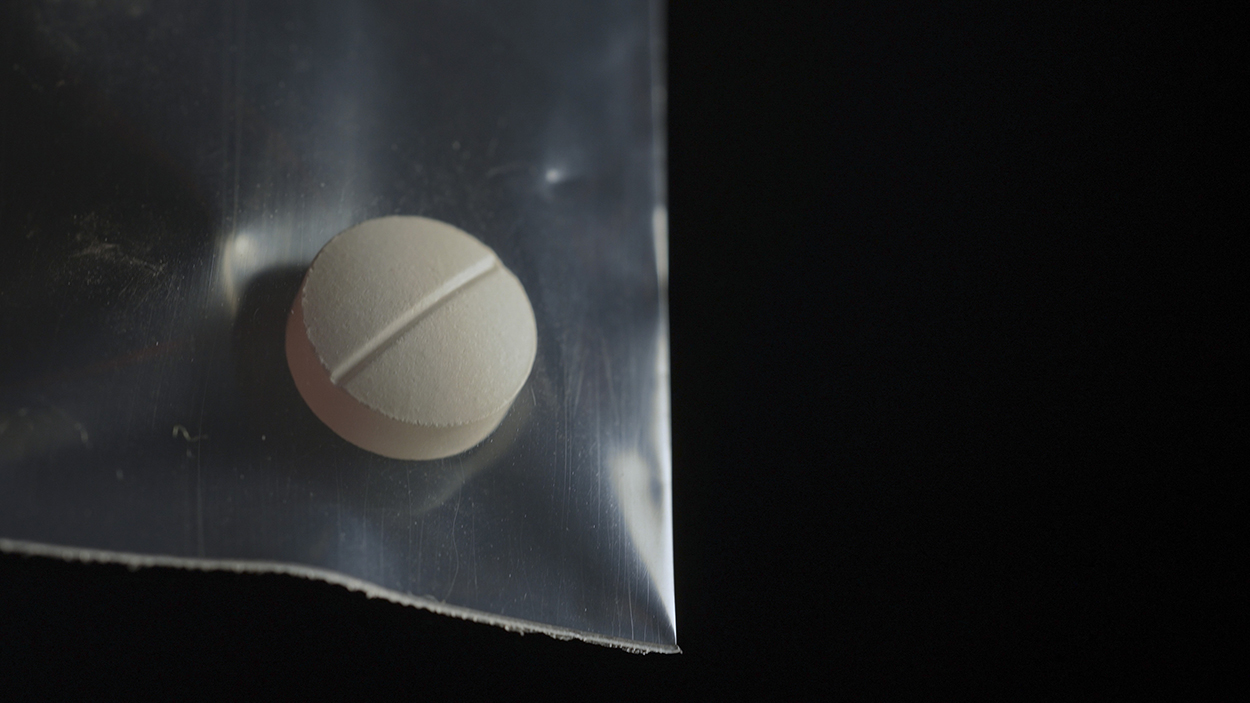
Fentanyl has changed the risk of using illegal drugs. Some street drugs and counterfeit pills may contain fentanyl, even when a person using them does not know it is present.
Fentanyl is strong, which means even a small amount can cause a dangerous overdose. Knowing the facts, having Naloxone (Narcan) available, and calling for help right away can prevent deaths.
The goal of this webpage is to help residents:
- Understand current overdose concerns in the community.
- Recognize the warning signs of an overdose.
- Learn how to respond in an emergency.
- Know where to obtain Naloxone (Narcan).
- Connect with treatment, recovery, and support resources.
Quarterly Snapshot
| Category | May, June, July 2026 |
| Suspected drug overdoses in Longmont | 27 total: Fentanyl 18, Cocaine 3, Methadone & Prescription Drugs 2, Meth 1, Kratom 1. 19 males, 8 females. |
| Fatal overdoses | 6 total: 2 female, 4 male |
| Average age | 41 |
| Public health alerts | n/a |
Important Note:
These numbers are preliminary and may change as additional information becomes available. This update does not include every overdose category. It is focused on suspected overdoses involving illicit or street drugs where fentanyl or other dangerous substances may be a concern.
About the Data
Overdose information may come from multiple reporting systems, including public safety, emergency medical response, public health, and other sources. Because of this, overdose data may not always be available immediately and may change as reports are reviewed.
The numbers shared on this page are preliminary and are provided for community awareness and prevention. They should not be considered a final or complete count of all overdose incidents.
This page focuses on suspected overdoses involving illicit or street drugs because of the increased risk associated with fentanyl and other dangerous substances in the illicit drug supply.
How to Recognize a Possible Overdose
A person experiencing an overdose may show one or more of the following signs:
- Unconscious or unable to wake up
- Slow, weak, or no breathing
- Blue, gray, or pale lips or fingertips
- Gurgling, choking, or snoring-like sounds
- Limp body
- Very small pupils
- Cold or clammy skin
Call 911 immediately if you believe someone is overdosing.
Recognizing Signs of Substance Abuse
Behavior or physical changes alone cannot confirm substance use, but it’s helpful to pay attention to patterns. Some possible signs include:
- Big mood changes that don’t have an obvious reason
- Keeping secrets or not wanting to talk about daily activities
- Money problems that don’t make sense
- Trouble at school or work, like missing class or falling behind
- Not caring about hygiene or appearance, such as not showering or wearing dirty clothes
- New friends who seem unsafe or involved in risky behavior
- Sleeping a lot more or a lot less than usual
- Eating much more or much less than usual
- Not enjoying activities they used to like
- Red or glassy eyes, shaking, or slurred speech
For youth, signs may also include:
- Lower grades. skipping school, or missing homework
- Not wanting to talk about new friends
- Pulling away from family, spending more time alone
What to Do During an Overdose
If you think someone is overdosing:
- Call 911 immediately.
- Give Naloxone if it is available.
- Begin rescue breathing or CPR if you are trained.
- Stay with the person until help arrives.
5. Give another dose of Naloxone if the person does not respond after a few minutes.
Calling 911 is important even if Naloxone is given. Naloxone can wear off, and the person may need additional medical care.
Naloxone Saves Lives
Naloxone, often known by the brand name Narcan, is a medication that can temporarily reverse the effects of an opioid overdose. Naloxone can be used to reverse overdoses caused by opioids like:
- Fentanyl
- Oxycodone (OxyContin®)
- Hydrocodone (Vicodin®)
- Codeine
- Morphine
- Heroin
Naloxone is safe to use if you are unsure whether opioids are involved. It will not harm someone if opioids are not present.
Where to Get Naloxone
Residents may be able to obtain Naloxone through:
- Boulder County Health Department
- Naloxone is free or discounted through some insurance plans, including Medicaid
- Local pharmacies
- Boulder County Map of Naloxone (Narcan) locations
If You, a Loved One, or Someone You Know is Struggling
People struggling with substance use often feel shame and/or fear. People who love people using drugs often feel similar emotions with an increased sense of urgency to stop the behavior.
Talking to a health care professional, behavioral health professional and/or visiting a walk‑in crisis center is a strong first step.
Drug and alcohol misuse carries serious health and legal risks, particularly with illicit substances. In addition to legal consequences, misuse can increase the risk of disease and affect relationships, education and employment. Reminding loved ones of these risk can encourage them to seek support.
Resources
- Emergency assistance – call 9-1-1
- Longmont Public Safety Substance Use and Mental Health Resources
- Boulder County Health Department
- Harm Reduction Program Saves Lives
- Lift the Label Colorado
- City of Longmont Youth and Family Services
- Crisis Support: Text or Call 988
- For 24/7 assistance with substance use issues, call 1-800-662-HELP (4537). This national hotline provides information, treatment options, and referral services.
Special Investigations Unit (SIU)
The Longmont Police Department’s Special Investigations Unit (SIU) focuses on reducing drug-related activity through undercover operations, surveillance, and prevention initiatives.
Anonymous Tip Line
Help keep our community safe. If you are concerned about potential drug activity, please call our SIU Tipline at (303)651-8585. Calls can be anonymous, or you may leave your name and contact information if you would like to speak with a detective.
Working together, we can create a safer, healthier community free from substance abuse.
Special Investigations Sergeant . Ethan Harper. 303-774-4801